.png)


Identifying Genuine Bearings: Expert Insights to Identify Authentic Bearings
- ambay bearing And machinery
- Mar 18
- 4 min read

In the industrial world, bearings are critical components that ensure smooth operation and longevity of machinery. However, the market is flooded with counterfeit and substandard bearings that can cause costly downtime and damage. Knowing how to identify authentic bearings is essential for maintaining operational efficiency and safety. In this post, I will share expert insights and practical tips to help you distinguish genuine bearings from fake ones. This knowledge is vital for anyone involved in procurement, maintenance, or quality control in industrial sectors.
Why It Is Important to Identify Authentic Bearings
Using authentic bearings is not just about quality; it directly impacts the performance and safety of your machinery. Genuine bearings are manufactured under strict quality controls, ensuring durability, precision, and reliability. Counterfeit bearings, on the other hand, often use inferior materials and poor manufacturing processes. This can lead to premature failure, increased maintenance costs, and even catastrophic machine breakdowns.
For industrial businesses, the cost of replacing a failed bearing goes beyond the price of the part. It includes downtime, labor, and potential damage to other components. Therefore, investing time and effort in identifying authentic bearings pays off in the long run. It also helps maintain your reputation as a reliable operator who values quality and safety.
How to Identify Authentic Bearings: Key Indicators
Identifying authentic bearings requires attention to detail and knowledge of what to look for. Here are some key indicators that can help you verify the authenticity of bearings:
Packaging and Labeling: Genuine bearings come in high-quality packaging with clear, consistent branding. Look for holograms, barcodes, and batch numbers. The printing should be sharp and free from spelling errors.
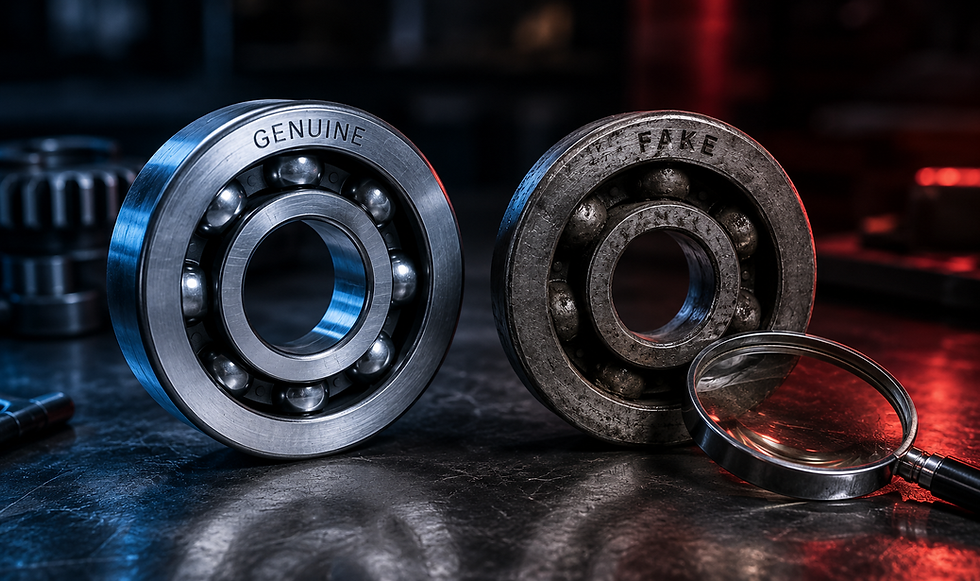
Markings on the Bearing: Authentic bearings have precise engravings or laser markings that include the brand name, part number, and country of origin. These markings should be clean and consistent.
Material Quality: Genuine bearings use high-grade steel or ceramic materials. The surface finish is smooth, and the components fit perfectly without gaps or rough edges.
Weight and Dimensions: Counterfeit bearings may have slight variations in weight or size. Use calibrated tools to measure and compare with official specifications.
Performance Testing: If possible, conduct performance tests such as noise level, vibration, and temperature under load. Genuine bearings typically perform within specified tolerances.
By carefully examining these factors, you can significantly reduce the risk of purchasing counterfeit bearings.

How to Identify Counterfeit Bearings?
Counterfeit bearings are a growing problem in the industrial market. They often look very similar to genuine products but fail to meet quality standards. Here are some common signs that a bearing might be counterfeit:
Poor Packaging: Packaging that looks cheap, faded, or damaged is a red flag. Missing or incorrect labels and lack of security features like holograms are suspicious.
Inconsistent Markings: Look for irregular fonts, misspelled brand names, or uneven engraving. Genuine manufacturers maintain strict control over markings.
Substandard Material: Counterfeit bearings may feel lighter or have rough surfaces. Rust or discoloration can also indicate poor material quality.
Unusual Noise or Vibration: When installed, counterfeit bearings often produce excessive noise or vibration due to poor internal clearance or damaged components.
Price Too Good to Be True: Extremely low prices compared to market rates should raise suspicion. While cost-saving is important, quality should never be compromised.
If you suspect a bearing is counterfeit, avoid using it and report the supplier. Always source bearings from trusted distributors who guarantee authenticity.
Practical Steps to Verify Bearing Authenticity
To ensure you are purchasing genuine bearings, follow these practical steps:
Buy from Authorized Dealers: Always source bearings from reputable suppliers with verified credentials.
Request Documentation: Ask for certificates of authenticity, test reports, and warranty information.
Inspect Upon Delivery: Check packaging, markings, and physical condition immediately after receiving the bearings.
Use Verification Tools: Some manufacturers provide online tools or apps to verify serial numbers or QR codes.
Train Your Team: Educate procurement and maintenance staff on how to identify authentic bearings and recognize counterfeit signs.
Taking these steps will help you maintain a reliable supply chain and avoid costly mistakes.

Why Knowing how to check genuine bearings Matters
Understanding how to check genuine bearings is crucial for protecting your machinery and business operations. It empowers you to make informed purchasing decisions and avoid the risks associated with counterfeit products. This knowledge also supports your commitment to quality and customer satisfaction, which are key goals for any industrial supplier or operator.
By applying the expert insights shared here, you can confidently identify authentic bearings and ensure your equipment runs smoothly and efficiently. Remember, the cost of prevention is always lower than the cost of failure.
Ensuring Long-Term Reliability with Authentic Bearings
Investing in authentic bearings is an investment in the long-term reliability of your machinery. Genuine bearings reduce the frequency of breakdowns, extend maintenance intervals, and improve overall equipment effectiveness. This leads to better productivity and lower operational costs.
Moreover, working with trusted suppliers who prioritize quality and customer service helps build strong business relationships. It also aligns with the goal of becoming a leading and trusted supplier of industrial bearings and machinery parts, both locally and internationally.
In summary, identifying genuine bearings is not just a technical task - it is a strategic advantage. By following the guidelines and tips provided, you can safeguard your operations and contribute to a culture of excellence in industrial maintenance and procurement.


Comments